
Oliver Neal

Technical Director · Shiverbug Studios

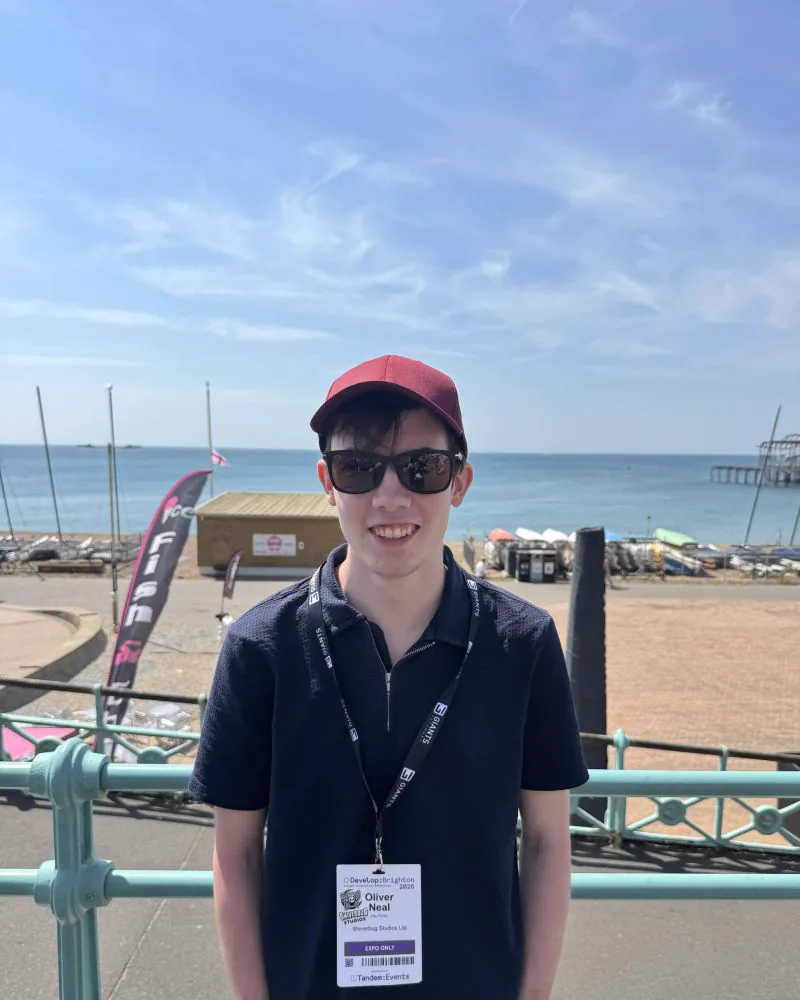
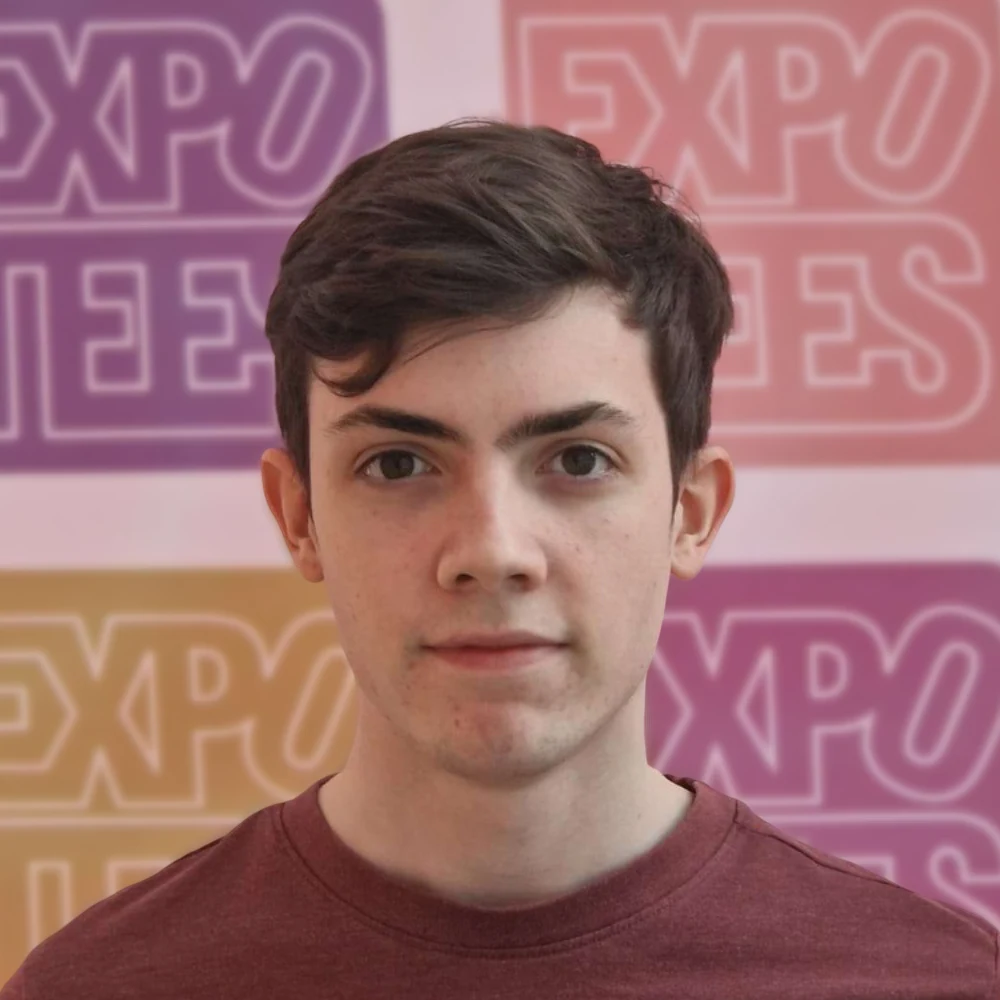
Portrait of Oliver Neal

I lead the tech on Out of Water, a co-op 3D platformer for two. The team is over a dozen people in Middlesbrough, and I write most of the code. My own work is the systems layer in Unity: the characters, the co-op underneath them, the tools the team builds with, and the profiling that shows what is slow.

  • First Class BSc Games Development, Teesside University, 2026
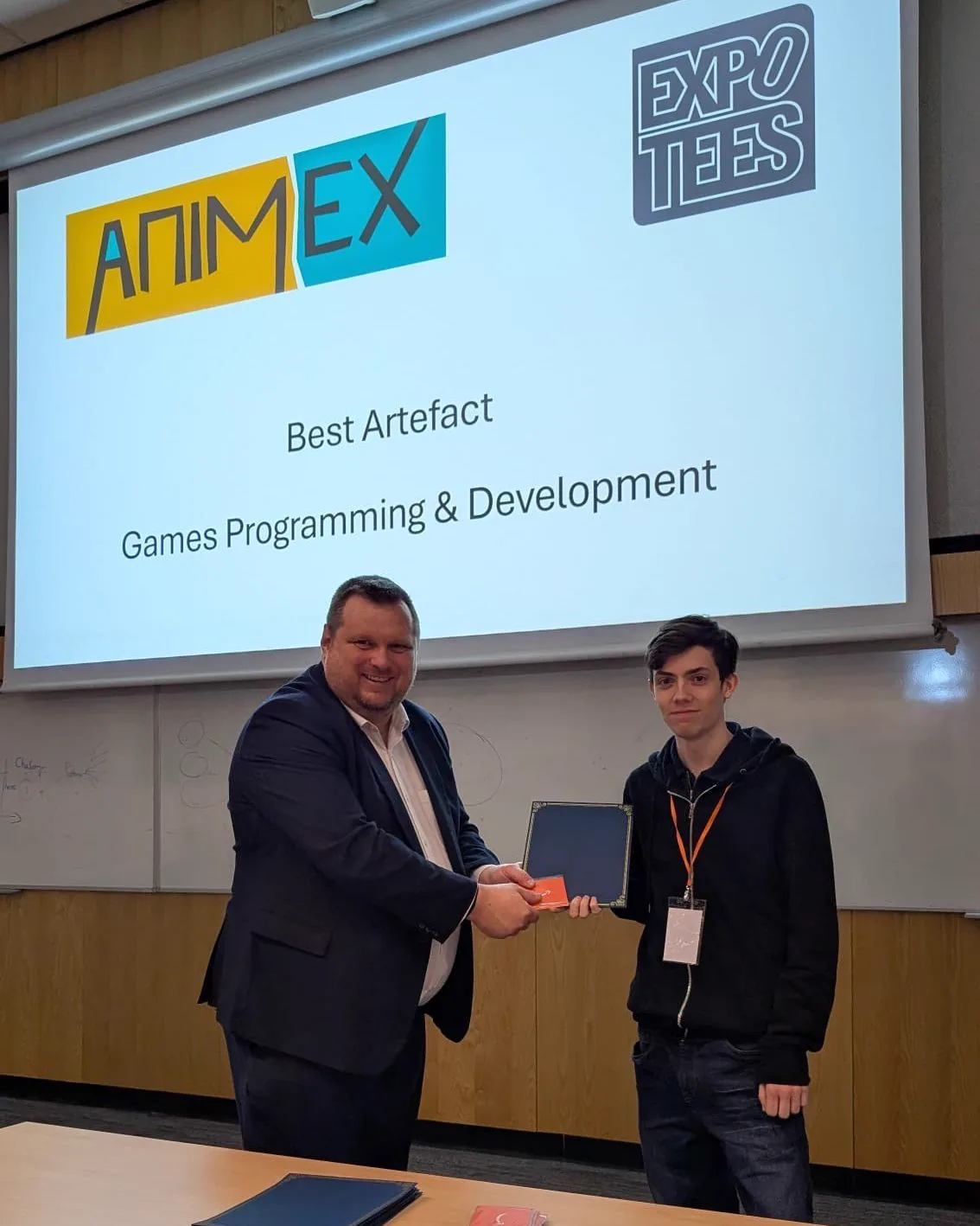
  • Best Games Programming and Development Artefact, ExpoTees 2026
  • Nine projects before the studio, seven of them solo

Now

Leading the tech on Out of Water

The studio is building a vertical slice of the game. I plan the technical side of it and run the build. One of the founders programs as well; the rest of the team are artists, designers and animators.

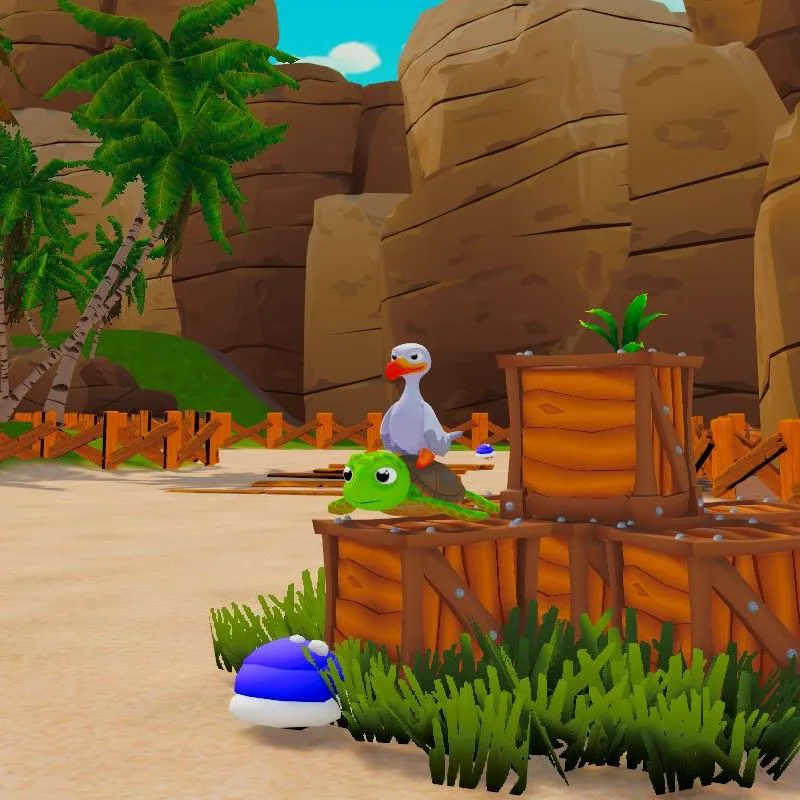
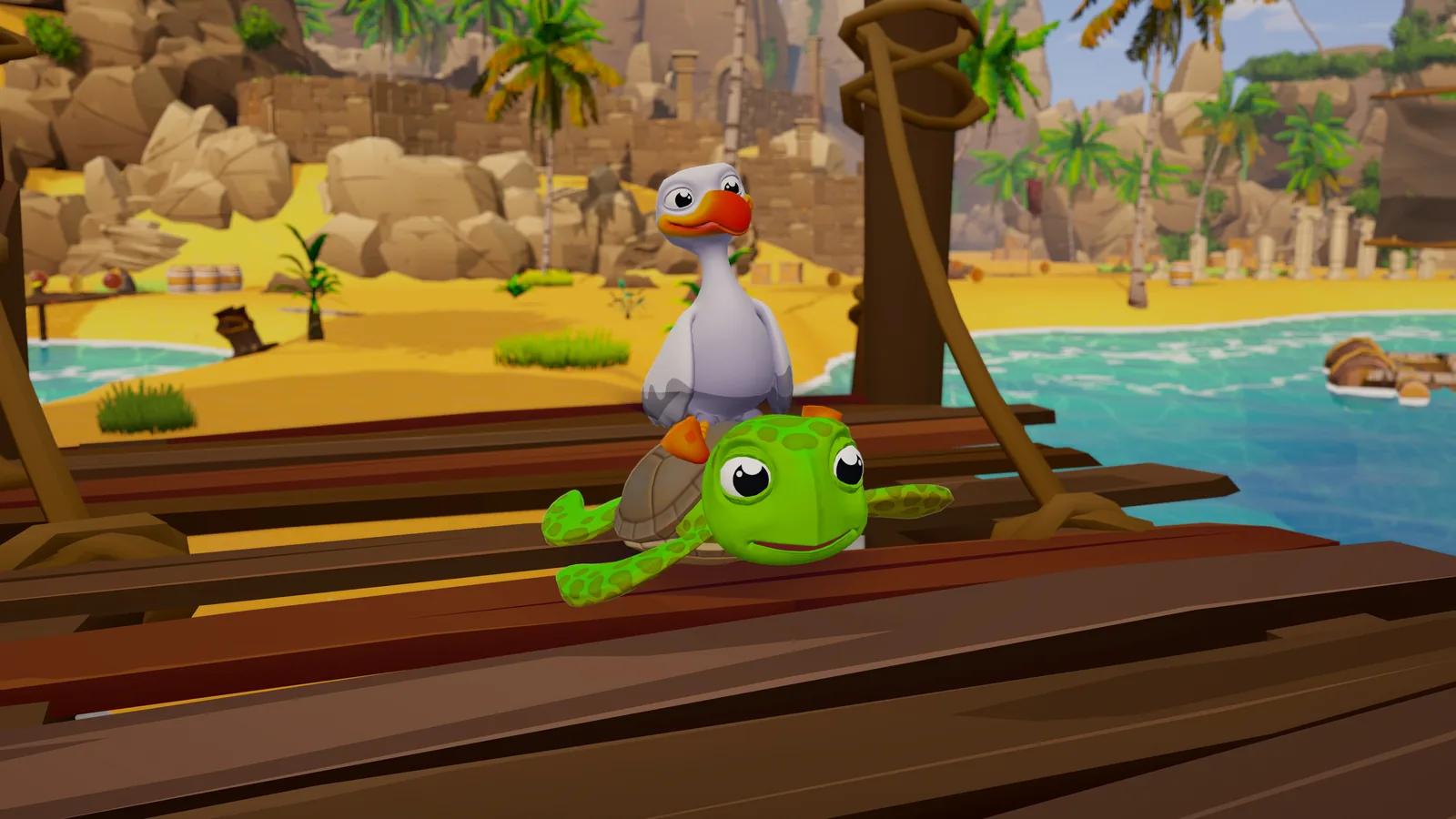
Out of Water in game screenshot: the seagull perched on the turtle's shell on a wooden dock, with a sandy beach, palm trees, ruins and turquoise water behind them

In development · Unity 6

Out of Water

A turtle and a seagull, in splitscreen or online.

The shot is the team's art. My side is the tech underneath it.

Shiverbug Studios Middlesbrough, UK
  1. Technical Director (my page on the studio's site) Oct 2026 to now · board
  2. Gameplay Programmer Intern Jul to Sep 2026 · 10 weeks

What I built first

Ten weeks as the intern, hired for the character and enemy code.

  • Characters and enemies. Both heroes and every enemy, rebuilt from single-file controllers onto component-driven state machines, with the co-op moves on top.
  • Splitscreen and front end. Per-player devices, cameras and character swapping, then the HUD, character select, pause, save slots and a controls tutorial in UI Toolkit.
  • Performance. Quality tiers, LOD and culling across the levels.
  • Audio and water. A decoupled FMOD layer the audio team plugs into, and the water shaders.
  • Level tools. A prop palette, spline walkways, and a prober that runs the characters' own jump maths to show the designers what they can reach.
  • The studio's website. shiverbugstudios.com, alongside the gameplay work.

How I run it

Four decisions, and what each one costs

Most of the job is choosing, and every choice here gave something up. These are the four that shape the project most.

  1. Online co-op

    Each player's machine owns their own character

    Online play is client-host. Your machine runs your character exactly as it does in splitscreen, your partner's character is a puppet on your screen, and the host owns the world: enemies, puzzles, pickups and the save.

    Why
    A platformer lives on input latency, and this way your own character never waits on the network. The state machines that already drive both heroes run untouched. Rollback was the alternative, and it needs a deterministic simulation, which this game does not have.
    Cost
    The two players can disagree for one round trip. That only matters where the characters touch each other, so those moves need the most care.
    Tested
    With two instances at a simulated 150 ms of lag, before it reaches a playtest. How it feels on a real connection is still to be proven.
  2. The pipeline

    Every change lands through a pull request

    Everyone works on their own branch and opens a pull request into a shared integration branch. Each one goes through me or one of the founders. A small change is reviewed as a diff; a bigger one is opened in Unity and played before it merges.

    Why
    A Unity merge can come back with no conflicts and still be wrong. Scenes, prefabs and materials do not merge as text, so no conflicts means the text lined up, not that the project still works.
    Cost
    Finished work waits on a reviewer. And my own code is the gap: I merge my own pull requests, so it leans on the automated tests and the playtest build, not on a second reader.
    Result
    A tagged playtest build every fortnight. Anyone who would rather not open a pull request pushes their branch and tells me, and I open it for them.
  3. Architecture

    Layers that only point one way

    The code is split into core, game, online and UI layers. Each is its own assembly, so the compiler refuses a reference that points the wrong way. Logic that needs no engine sits at the bottom, where it can be unit tested.

    Why
    Gameplay code named the online session in 1,022 places, by the count of the repo's own metrics tool, so a feature and its netcode could only ever change together.
    Cost
    It is not finished. Inside the game layer the player, the enemies and the level tools still reference each other, and that is the next cut.
    Result
    That count is now zero. Automated tests hold the feel of the moveset and the combat to recorded baselines.
  4. Performance

    Nothing is faster until it is measured

    Performance work is compared branch against branch, on the same scene at the same quality tier, with a profiling tool I made for the team.

    Why
    Splitscreen draws the world twice, so a change that looks free on one camera can cost double. A number settles the argument.
    Cost
    It is slower. A change is not called faster until the same scene has been captured on both branches.
    Result
    The latest pass took 15 to 18% of the draw calls out of splitscreen on the lowest quality tier. What I do not have yet is a frame time for the whole game on the hardware we are aiming at. That benchmark is still to run.
    Reverted
    Unity's GPU Resident Drawer, in August 2026. It went in and came back out three days later, because in a build it cost more than it saved.

Work

Selected work

Four solo projects, each playable in the browser with the source on GitHub. Every one has a breakdown that explains the decisions as well as the systems.

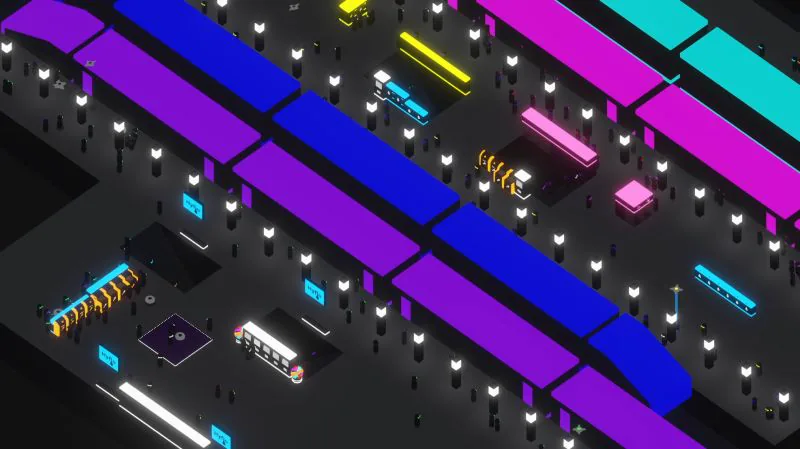
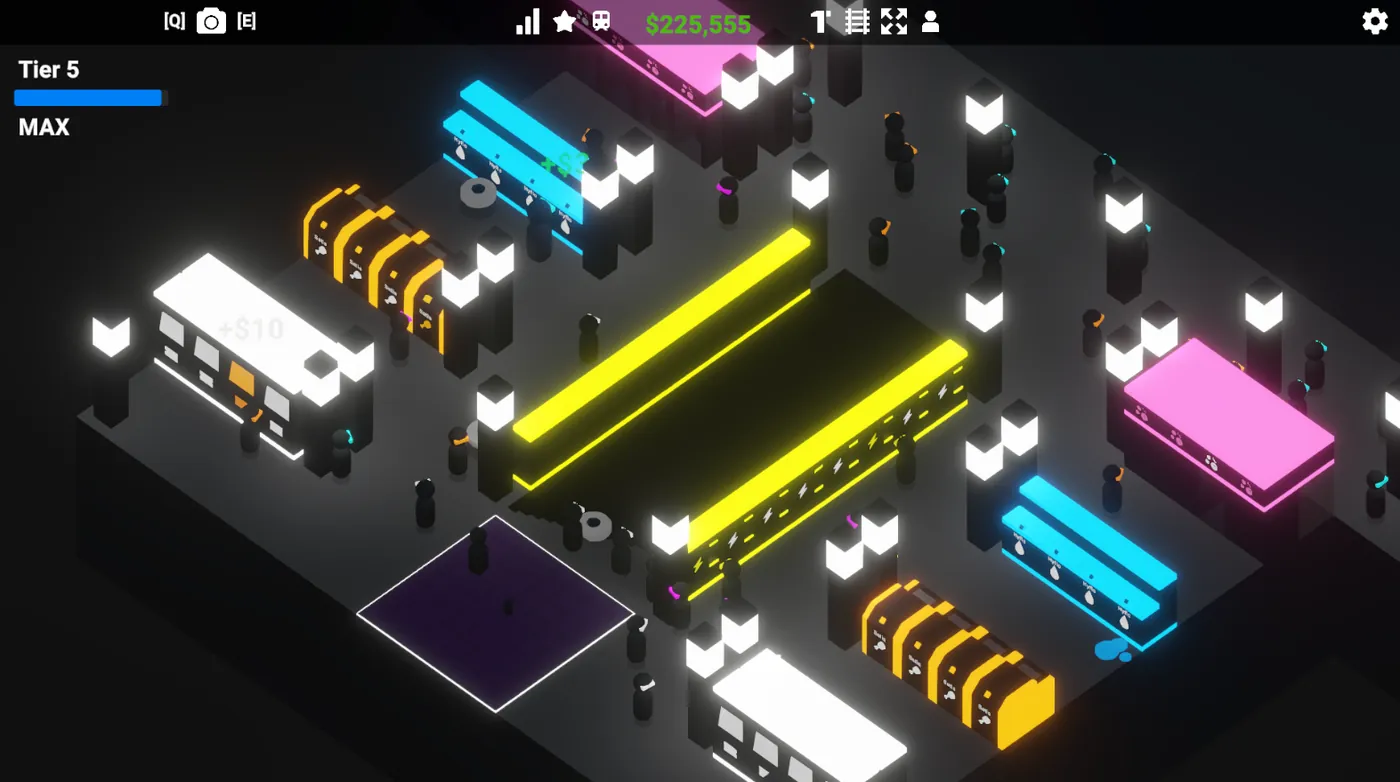
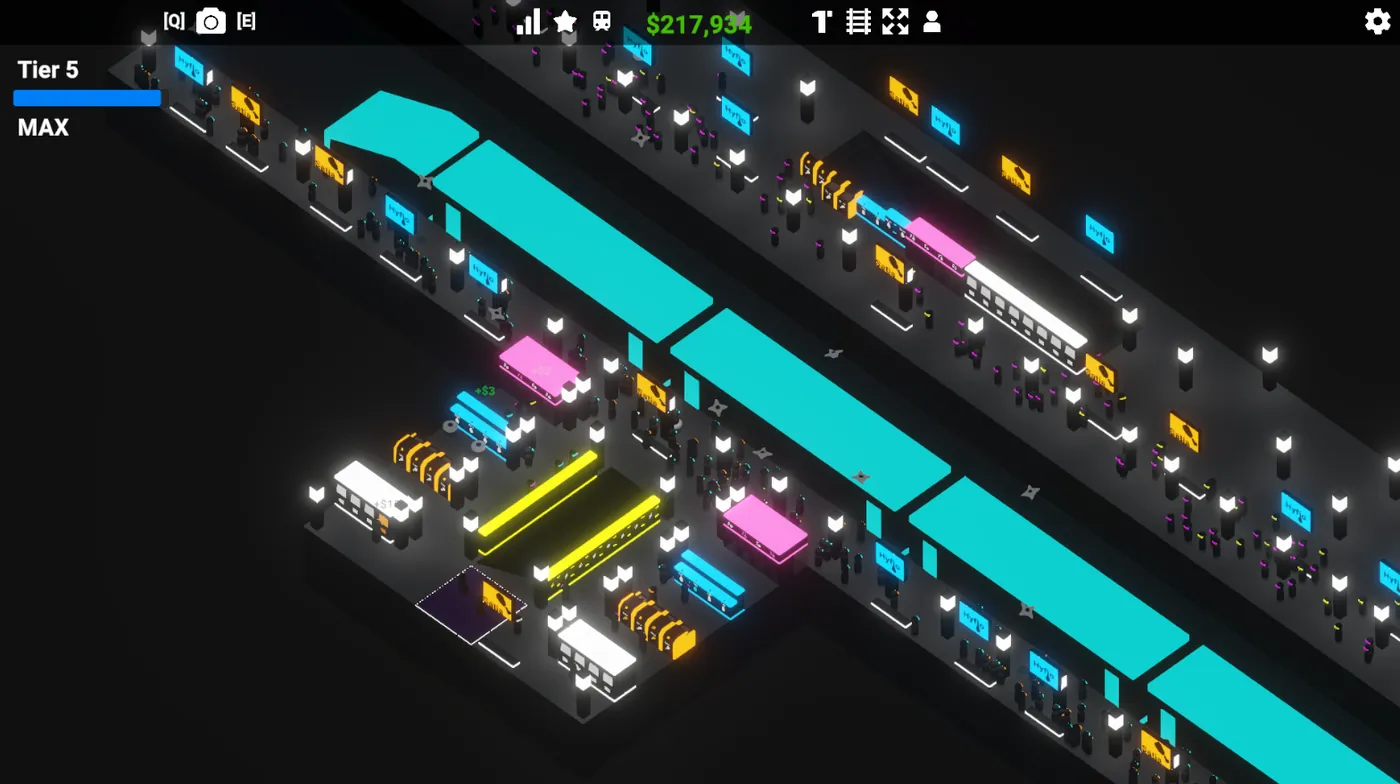
Cyber Station late game: cyan trains stretched along the platforms of a large neon station while crowds of passengers move through the concourse

Apr 2026 · Unity 3D · Solo

Cyber Station

A neon station management game about building a transport hub that can take the pressure. 86 scripts and around 17,000 lines, on my own.

Hundreds of passengers run off one fixed 10 Hz tick, and each picks a facility by lowest estimated total delay: queue wait plus real NavMesh walk time, both in seconds.

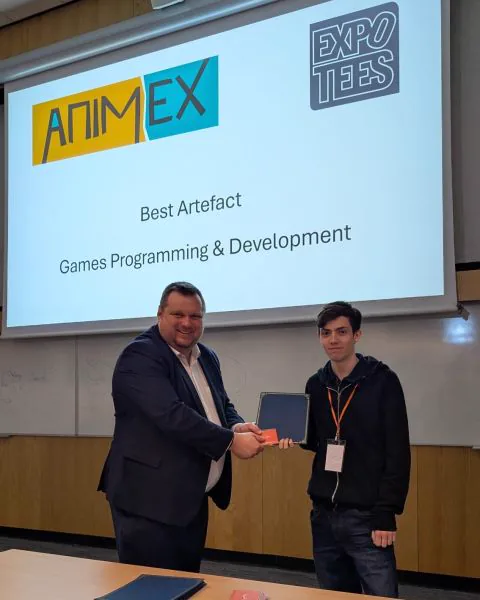
Oliver Neal collecting the Best Artefact award for Games Programming and Development at ExpoTees 2026
Best Games Programming and Development Artefact ExpoTees 2026, Teesside University. Scored 90 out of 100.
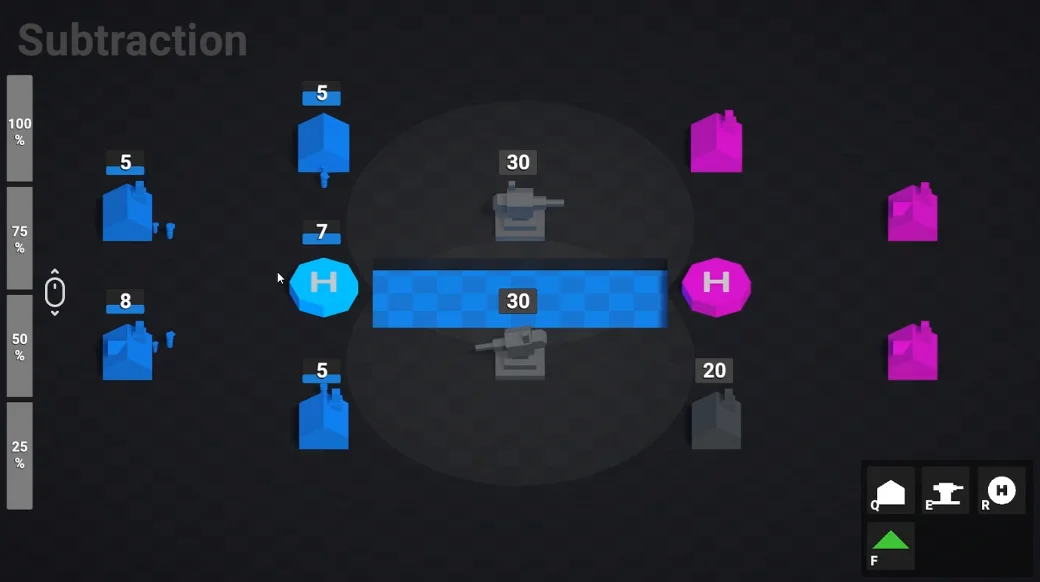
Minimalists: a stripped back 3D RTS map with blue and magenta bases, turrets and unit counts over each structure

Aug 2025 · Unity 3D · Solo

Minimalists

A node conquest RTS pared back to its essentials: capture structures, commit forces by percentage, and win anything from a duel to a four way free for all.

The enemy AI has no extra information. One of its six personalities scores every source and target pair by distance and garrison, and all six commit through the same send call the player's slider drives.

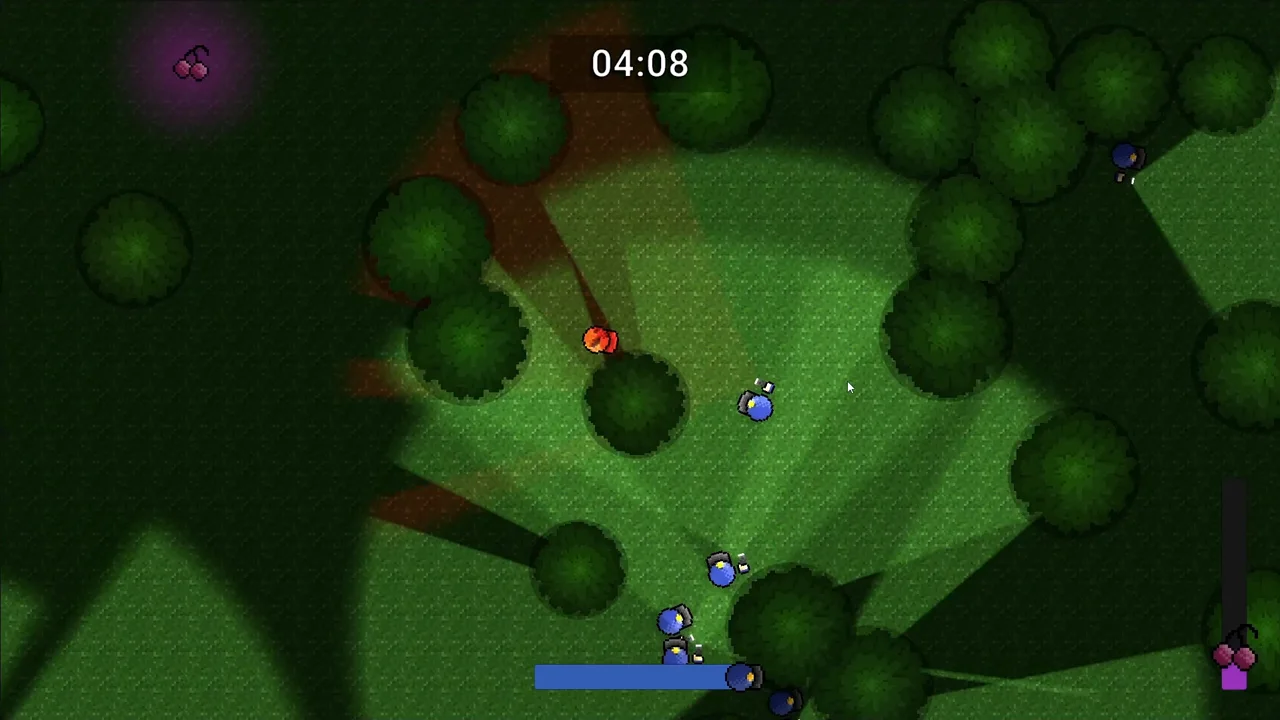
Wanted: the player glowing red under red flashlight beams as police officers close in through the trees

May 2025 · Unity 6 · Solo · Game jam

Wanted

A top-down stealth survival game with no win state, only a clock. The police arrive car by car and never leave.

One detection meter fills four times slower under cover, and a confirmed sighting redirects only the closest 10% of officers, so the response scales with the force.

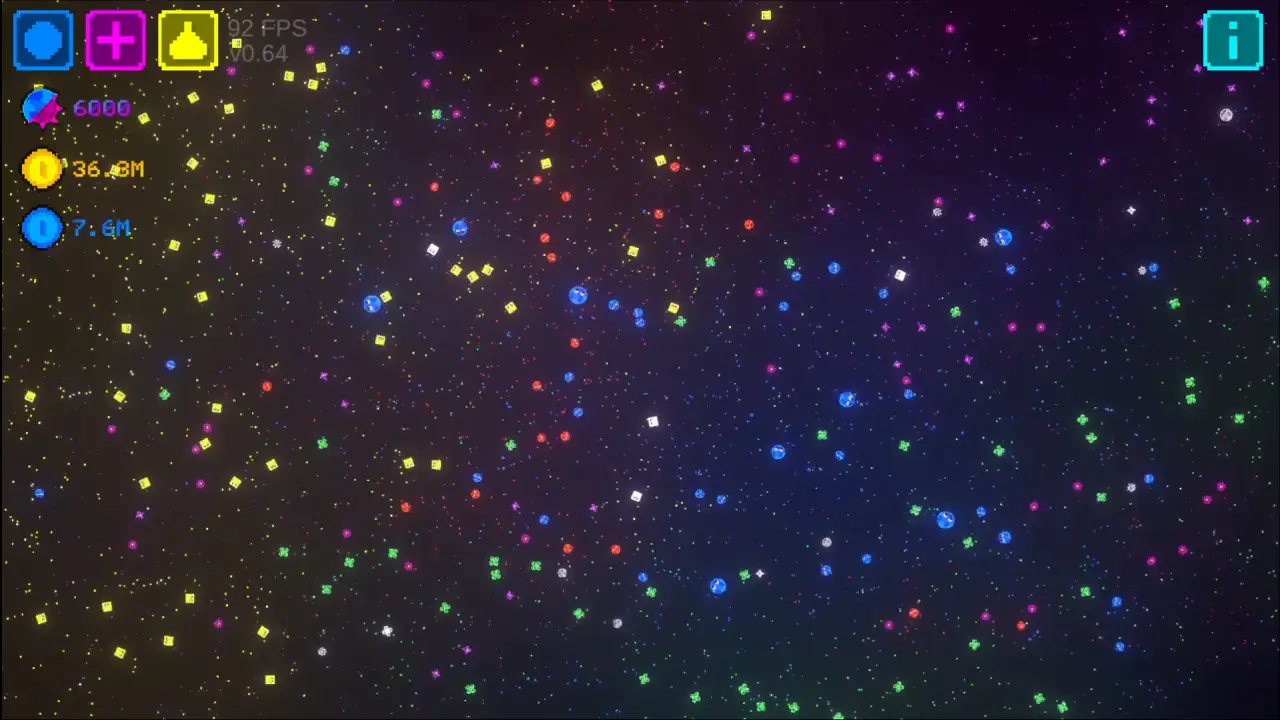
Unicellular: thousands of glowing single celled organisms drifting across a dark field, running at 92 FPS

Feb 2025 · Unity · Solo

Unicellular

An idle simulation that rewards the player for pushing the entity count up, so every cell has to stay cheap to simulate.

Stress-tested at 10,000 cells, still reading around 90 FPS in the editor recording, on a multi-rate tick with the proximity checks time-sliced across frames.

More work

About

Background

I've been making games in Unity and C# since 2018, and building them consistently since 2023.

The part of games I enjoy most is the systems layer: state machines driving characters and enemy AI, and the profiling and optimisation that lets a scene keep its frame budget once everything is running at once.

What I have not done yet is ship a commercial game. Out of Water is how I intend to fix that.

  • Studying MA Games Design (with Advanced Practice) Teesside University · 2026 to 2028, alongside the studio
  • Degree BSc (Hons) Games Development, First Class Teesside University · July 2026 · 80% overall
  • Before that FdSc Games Technologies, 2:1 Newcastle College University Centre · July 2025 · the full list is on the CV

What I work with

Languages & engines
C#, Unity 6 (2D / 3D), Shader Graph, HLSL, Unreal Engine 5
Gameplay & AI
Gameplay programming, systems design, finite & hierarchical state machines, AI navigation, local co-op & splitscreen, Unity Input System
Performance
Profiling and frame analysis, time-sliced & multi-rate simulation, LOD and culling, quality tiers, runtime NavMesh baking
Multiplayer & services
Netcode for GameObjects, Unity Authentication, Relay, Cloud Save
Audio, UI & presentation
FMOD, UI Toolkit, Unity UI, Cinemachine, particle VFX
Tools & workflow
Git and Git LFS, branch workflow and pull request review on a shared team repo, automated testing (Unity Test Framework), Visual Studio, JetBrains Rider, Figma, Trello, technical documentation

Log

Latest from LinkedIn

Studio and project news, as I post it. Newest first.

Out of Water: the seagull perched on the turtle's shell on a wooden dock, with a beach, palm trees and ruins behind them

Some news: I've joined the board at Shiverbug Studios as Technical Director! 🌊 I walked in on 13 July as a gameplay programming intern, hired to write the character and enemy code for Out of Water. Week one was Develop:Brighton. Over the ten weeks I also got the opportunity to look after the build: the git workflow, pull request reviews and a tagged playtest build every fortnight. The new role covers the technical side of Out of Water, the plan for the vertical slice we're building, and making sure our artists and designers can work in Unity and git without waiting on me. Out of Water is our original IP, a two-player co-op 3D platformer, and the aim is still to bring family gaming night back to the sofa. That screenshot is all the team's work. We've got a brilliant group of artists and designers, and getting to build this game with them is the best part of the job. I'm doing it alongside my MA in Games Design at Teesside. Thanks to Lewis Mennim and Ryan Hughes for trusting me with this role ❤️

Read on LinkedIn
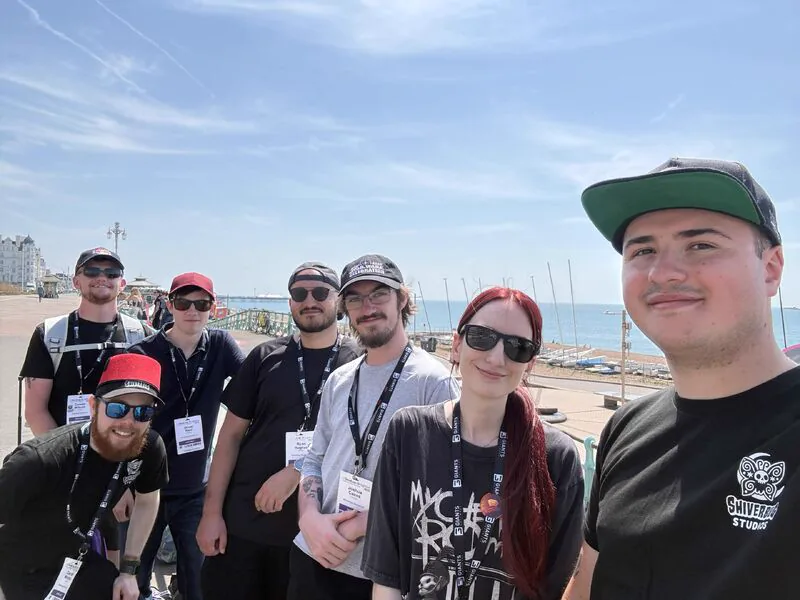
Four members of the Shiverbug Studios team on Brighton seafront during Develop:Brighton Oliver Neal wearing a Develop:Brighton attendee badge on Brighton seafront

First week done as a Gameplay Programmer Intern at Shiverbug Studios, most of it spent at Develop:Brighton with the team. 😎 Spent a day on the expo floor seeing what studios and tools teams are actually building, and the rest of the time talking to people: grads, programmers, designers, studio leads. Came away with a much better sense of the industry I've just joined. Getting to spend the week with the Shiverbug team was the best part of it. Conversations by the seaside and hanging out in the evenings playing Jackbox were really fun! 😊 Thanks to everyone who stopped to chat. I really loved meeting you all!

Read on LinkedIn
Out of Water: the seagull and turtle by a crate in a beach level Shiverbug Studios skull-and-moth logo on a black background

Today is my first day as a Gameplay Programmer Intern at Shiverbug Studios! 🎉 After graduating from Teesside University with a First in BSc (Hons) Games Development, I'm excited to take my first step into the industry. I'm looking forward to contributing to the team, learning from experienced designers and developers, and putting everything from Cyber Station and my other Unity projects into practice in a studio environment! To hit the ground running, I'll also be at Develop:Brighton this week (14–16 July)! If you're heading down too, feel free to come say hi, I'm happy to meet anyone and everyone in the games industry! Busy week ahead 😅

Read on LinkedIn
Newcastle College University Centre logo Teesside University logo

I'm thrilled to share that I've graduated from Teesside University with a First-Class Honours degree in BSc (Hons) Games Development. 🎓 This one means a lot. I started my journey at Newcastle College University Centre, where I earned a 2:1 in my FdSc Games Technologies, then took the leap of transferring to Teesside for the final year of the BSc. Stepping into a new university and a higher level all at once was a little jarring, and finishing with a First is the result I'd hoped for when I made that decision. A highlight of the year was my final year project, Cyber Station, a futuristic station-management game built in Unity (C#), using AI navigation and dynamic finite state machines to handle complex passenger needs. It scored 90, and went on to win Best Games Programming and Development Artefact at ExpoTees. Seeing it recognised to that extent made all the late nights worth it 😅 Huge thanks to the lecturers and friends at both Newcastle College and Teesside who were there along the way! Onwards to what's next... 👀

Read on LinkedIn
Oliver Neal receiving the Best Artefact award for Games Programming and Development at ExpoTees 2026 Cyber Station: neon platforms, trains and passengers from an isometric view

I'm proud to share that Cyber Station won Best Artefact for Games Programming & Development at ExpoTees 2026! 🚆🏆 Cyber Station is my final year project: a 3D construction and management simulation made in Unity, where players design, expand, and operate a futuristic train station. This project has been a huge step forward for me as a games developer. It challenged me to bring together passenger AI, finite state machines, train scheduling, grid-based construction, staff coordination, station ratings, progression, economy balancing, and save/load systems into one connected simulation. Winning this award means a lot, especially after the amount of time spent trying to make the station feel alive: passengers moving through the space, facilities being used, trains arriving, staff responding to problems, and multiple systems feeding into each other. A huge thank you to Neil H. for organising the event, and to everyone at Teesside University who supported, gave feedback, tested the project, or stopped by to talk about Cyber Station.

Read on LinkedIn
Cyber Station late game: crowds of passengers moving through a neon concourse 1-minute demo

I'm excited to share that I've finished my final year project: Cyber Station! 🚆 Cyber Station is a 3D construction and management simulation made in Unity, where the player designs, expands, and operates a growing futuristic train station. The project became a really rewarding systems-design challenge, bringing together passenger AI, facility interactions, train scheduling, a grid-based build system, station ratings, decoration coverage, progression, and save/load functionality. For the one-minute demo, I wanted to show the station as a living simulation: passengers moving through the station, trains arriving, facilities being used, and the management systems feeding into each other. This has been a huge step forward for me as a games developer. It pushed me to build more scalable Unity systems, work with finite state machine AI, use ScriptableObjects for data-driven content, and structure a larger codebase around managers, controllers, coordinators, and reusable components.

Read on LinkedIn

Contact

Get in touch

Whether it's about my work, the studio or a project of your own, I'd be glad to hear from you. Out of Water and my MA are where my time goes right now, and I'm always happy to talk games.

Based in Middlesbrough in the UK.

Send me a message

Your name, email and message go to my inbox so I can reply, and nowhere else. Privacy policy.

Rather use your own email client? [email protected]